In the realm of artistic symbolism and royal adornment, halos and crowns have held a significant place throughout history. Both captivating and imbued with rich cultural meanings, halos and crowns have adorned the heads of religious figures, rulers, and deities, serving as potent symbols of power, divinity, and authority. In this article, we delve into the origins, evolution, and artistic significance of halos and crowns in the context of art and royalty. I have often wondered if crowns originated to symbolize being God-like or somehow spiritually blessed as though God appointed one to the throne. It is the journey I am taking today. I am curious.
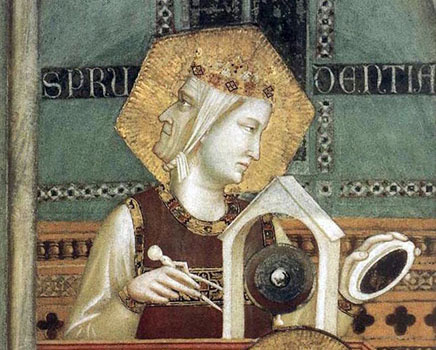
Halos: A Divine Aura Transcending Time and Space
Halos, also known as aureoles, are luminous circles or rings often depicted encircling the heads of holy figures in religious art. Rooted in the sacred traditions of various cultures, halos have symbolized enlightenment, divinity, and the connection between earthly beings and the divine realm. One of the earliest instances of halos can be traced back to ancient Egyptian depictions of gods and pharaohs with radiant sun disks crowning their heads.
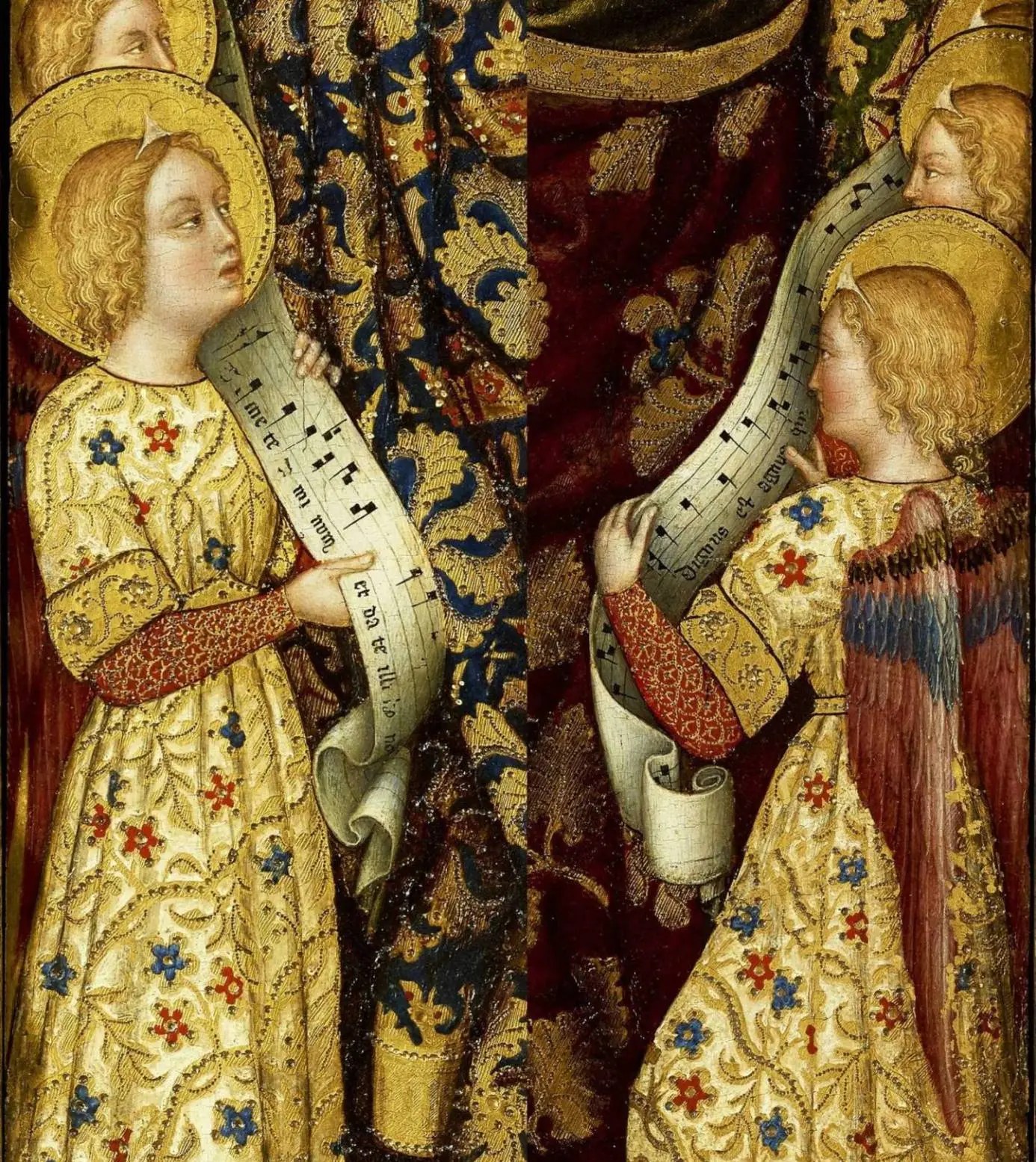
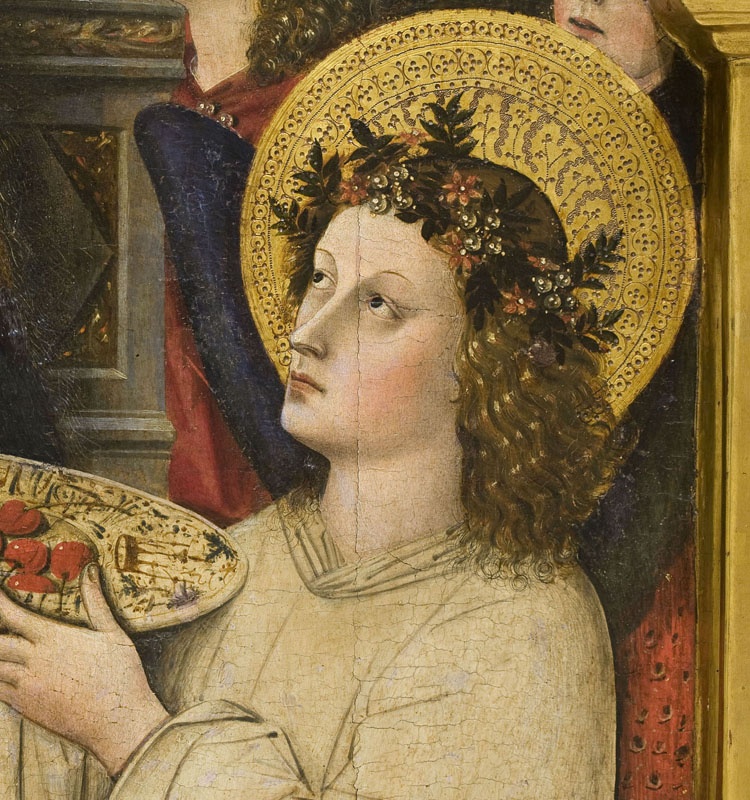
In Christian art, halos became synonymous with sanctity, adorning the heads of saints, angels, and the Virgin Mary. During the Byzantine era, halos evolved into intricate gold discs with elaborate designs, further emphasizing the spiritual significance of the figures they surrounded. Over time, halos transitioned from a simple artistic convention to a representation of spiritual glory.
Crowns: A Symbol of Earthly Dominion and Royalty
Crowns, on the other hand, are tangible symbols of earthly authority and sovereignty. With origins stretching across cultures and epochs, crowns have been worn by monarchs, emperors, and rulers to signify their leadership and dominion over their realms. The history of crowns is steeped in opulence and tradition, often crafted from precious metals, gemstones, and intricate designs that reflect the power and wealth of the wearer.
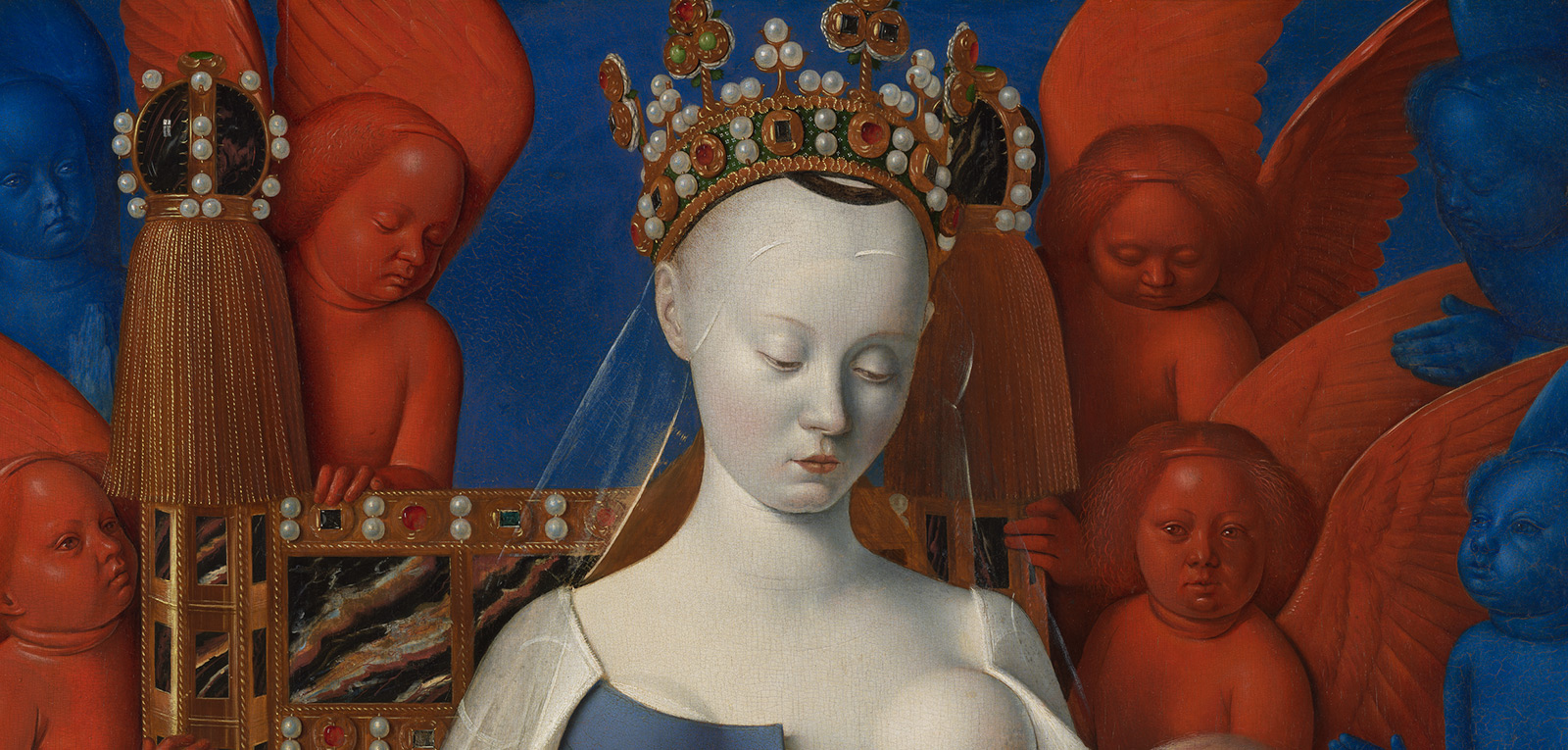
Throughout history, different cultures have embraced the concept of crowns as regal symbols. In ancient Egypt, pharaohs wore distinctive crowns that represented their authority and divine connection. The Roman Empire adorned its emperors with laurel wreaths, symbolizing victory and honor. Medieval European royalty further elevated the art of crown-making, creating iconic pieces that fused craftsmanship with symbolism.
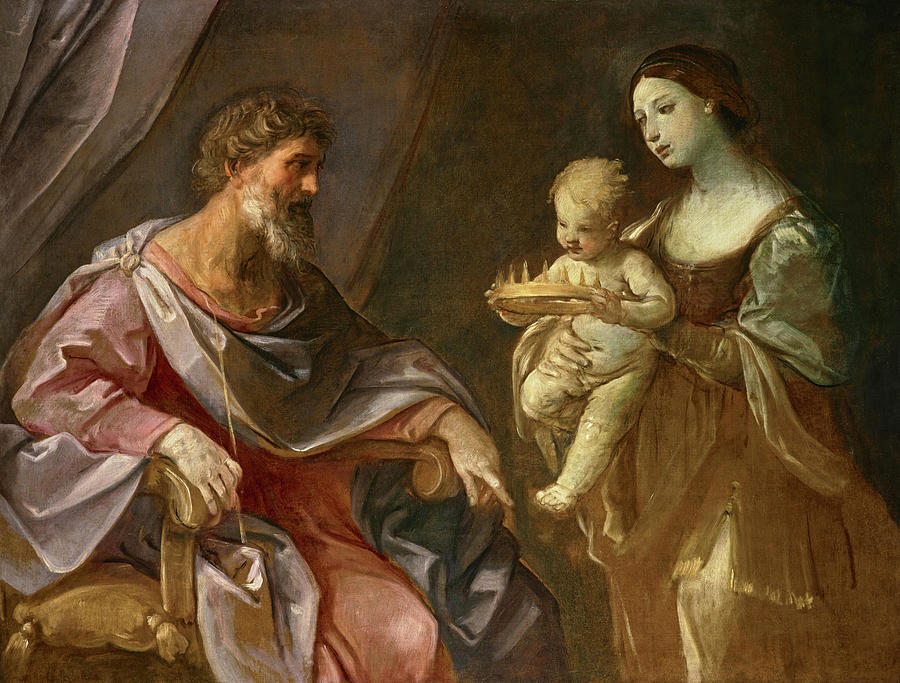
The Intersection of Halos and Crowns in Art and Royalty
Interestingly, the realms of art and royalty have frequently intersected when it comes to the depiction of halos and crowns. Religious art often portrays divine figures wearing both halos and crowns, combining the celestial and earthly realms. This amalgamation is particularly evident in Renaissance art, where depictions of saints and biblical figures often feature intricately detailed halos that share design elements with regal crowns.
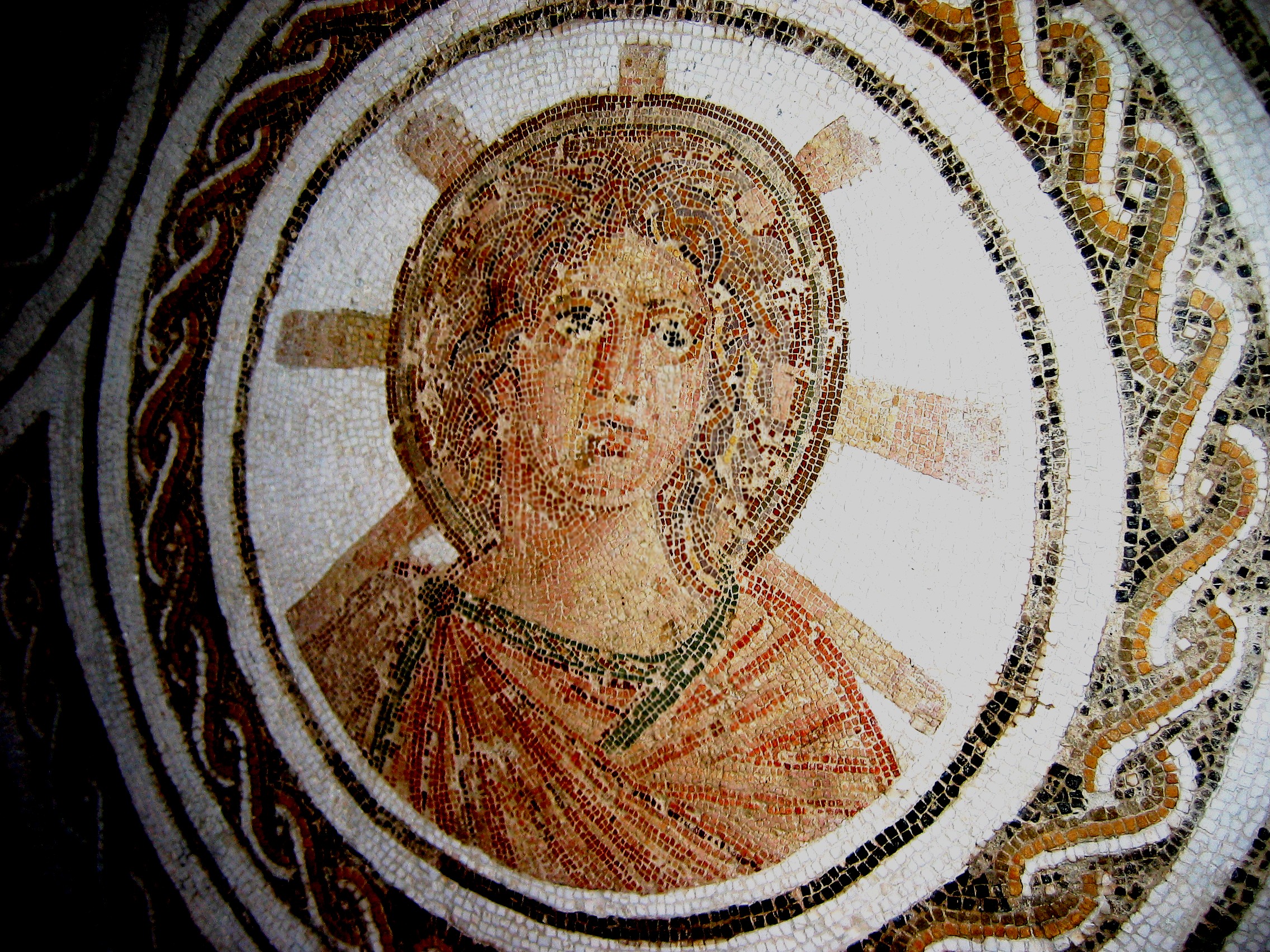
Moreover, the halo-crown fusion is seen in depictions of medieval monarchs who claimed divine right to rule, bridging the gap between earthly authority and spiritual significance. The fusion of these symbols underscored the monarch’s power as both a temporal ruler and a representative of divine order.
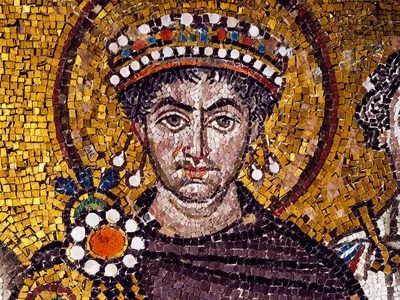
Evolution and Modern Interpretations
In contemporary times, the symbolism of halos and crowns continues to captivate artists and designers. The depiction of halos in art has expanded beyond religious contexts, often used metaphorically to denote wisdom, enlightenment, or transcendent states of being. Crowns, while still worn by some royal families, have also influenced fashion, inspiring couture creations and accessories that echo their opulent designs.
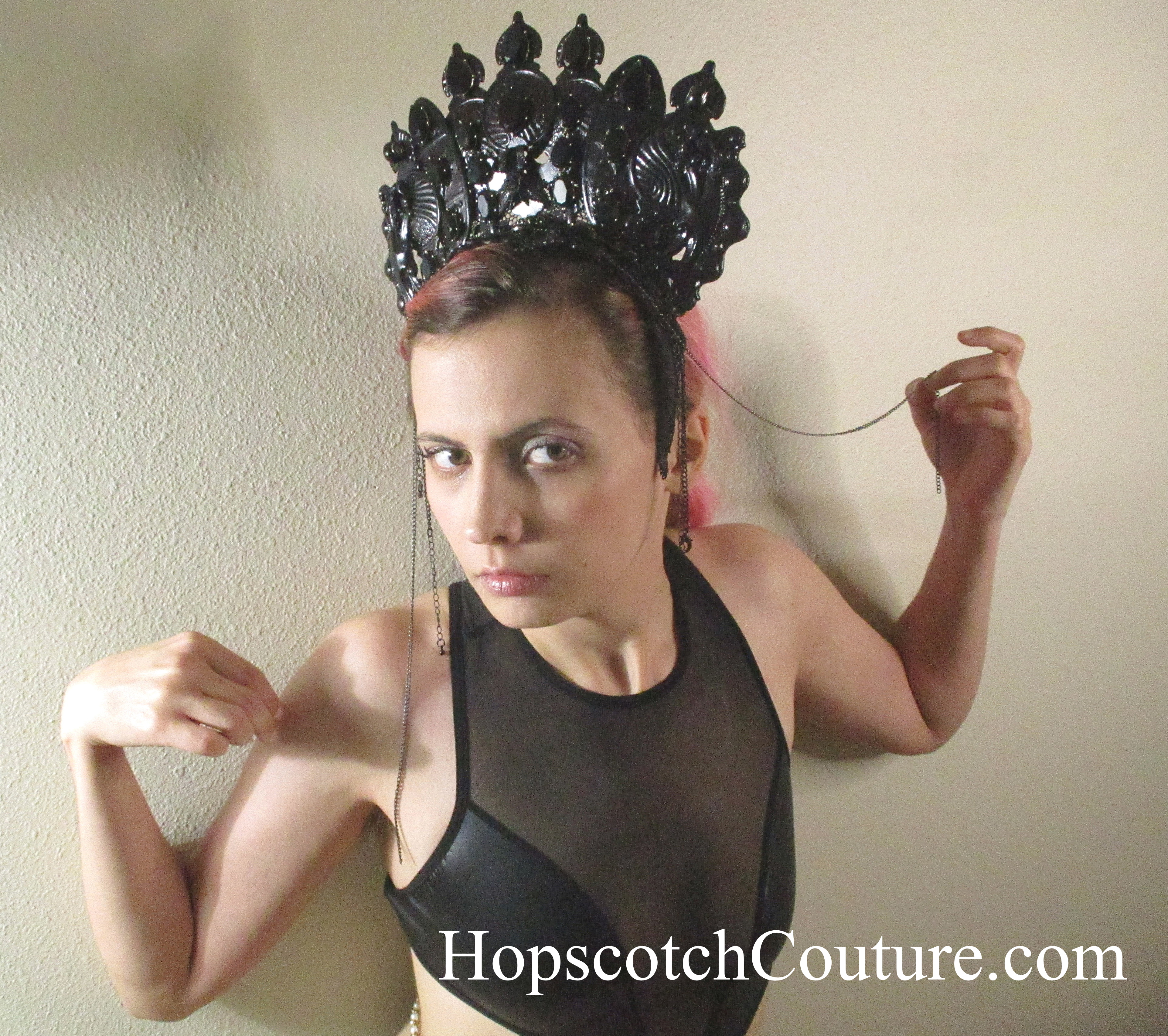
In essence, the comparison of halos and crowns reveals the intricate tapestry of human symbolism, spirituality, and power. These symbols have journeyed through centuries, evolving alongside artistic techniques and cultural shifts. While rooted in different realms – the celestial and the earthly – halos and crowns have left an indelible mark on art and royalty, forging connections that continue to inspire and captivate the human imagination. I personally feel crowns are indeed representative of halos and will be looking into this more, especially the fine art. So stunning…
 La Marelle Couture
Leave a comment