Introduction
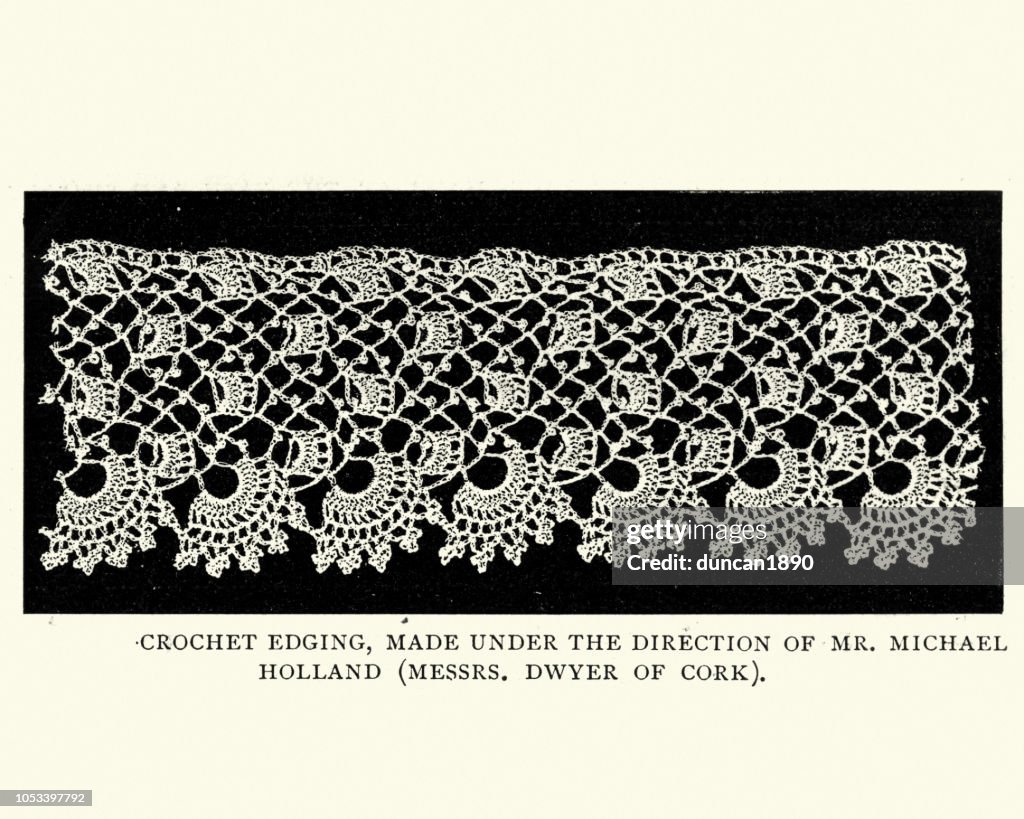
Hand crochet lace and trims have a storied history that dates back centuries, but it was during the Victorian era that they truly blossomed into an art form that captured the imagination of both the upper classes and the general population. This period, spanning from 1837 to 1901 during Queen Victoria’s reign, witnessed the convergence of craftsmanship, fashion, and social status. Crochet, characterized by its intricate lacework and trims, played a pivotal role in the fashion and lifestyle of this era, often finding favor with royalty and aristocracy. In this article, we will delve deeper into the captivating history of hand crochet lace and trims, shedding light on the evolution of styles, techniques, and their association with the Victorian era.
The Early Origins of Crochet
Crochet, derived from the French word “croche” meaning “hook,” is an age-old craft with origins shrouded in the mists of time. While it’s challenging to pinpoint its exact birthplace, it is believed to have first appeared in the Middle East, spreading to Europe in the 17th century. Early crochet work was simple and utilitarian, often used for creating functional items like bags and nets.
Victorian Era: A Flourishing of Craftsmanship
In the early 19th century, crochet began to evolve into a more intricate and decorative craft. The Victorian era, with its fascination for opulence and attention to detail, provided the perfect backdrop for the crochet renaissance. Crochet lace and trims became an integral part of clothing, furnishings, and accessories.
Key Dates and Styles:
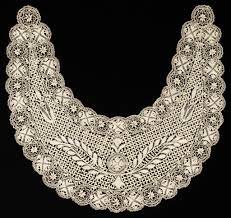
- 1830s – The Birth of Irish Crochet: In the 1830s, Irish crochet, characterized by its three-dimensional, heavily textured motifs, gained popularity. This style was a response to the devastating potato famine in Ireland, as it provided women with a means to earn income through their exquisite crochet work. Irish crochet lace was widely used for shawls, collars, and cuffs, making it an iconic Victorian fashion statement.
- 1840s – Hairpin Lace Crochet: The 1840s saw the emergence of hairpin lace crochet, which utilized a loom-like tool to create lacy strips. These strips were then joined together to form elegant trims and edgings, which were incorporated into garments and household items.
- 1850s – Pineapple Motif: In the mid-19th century, the pineapple motif became all the rage. Crafters mastered the art of creating intricate pineapple designs, often used as decorative elements in shawls and table linens.
- 1860s – Bead Crochet: During the 1860s, bead crochet gained popularity, with artisans adding tiny beads to their work to create intricate, shimmering patterns. Bead crochet purses, often used as status symbols, became highly sought-after fashion accessories.
The Royal Connection
The Victorian era was marked by a profound royal connection to crochet. Queen Victoria herself was an ardent supporter of crochet and often appeared in public adorned with crocheted items. Her preference for crochet, in a time when the queen’s fashion choices were highly influential, helped elevate the craft’s status and popularity.
Furthermore, Queen Victoria’s daughters, notably Princess Victoria and Princess Alice, were accomplished crocheters. Their enthusiasm for the craft helped establish crochet as a pastime enjoyed by the aristocracy, further fueling its popularity.
The Finest Materials and Techniques
Victorian crochet lace and trims were celebrated for their use of the finest materials, including silk, cotton, and linen thread. Techniques such as filet crochet, where the main body of the fabric was created using a grid of squares, and tape lace, which involved creating lacy designs by working around a central cord, were employed to produce intricate patterns and designs.
The Legacy of Victorian Crochet
The legacy of hand crochet lace and trims from the Victorian era continues to inspire contemporary fashion and design. While not as prevalent in everyday clothing, crocheted lace and trims remain a staple in bridal attire, vintage-inspired fashion, and high-end accessories. The Victorian era’s attention to detail, quality, and dedication to craftsmanship continue to inform and influence the world of fashion, making hand crochet lace and trims a timeless and cherished aspect of our sartorial heritage.
The Early Origins of Crochet
Before delving into the Victorian era, it’s essential to understand the origins of crochet. Crochet itself has a rich history, dating back centuries. It is believed to have originated in the Middle East and spread to Europe in the 17th century. However, it was not until the 19th century that crochet gained significant popularity.
The Victorian Era and Its Influence on Crochet
The Victorian era, which spanned from 1837 to 1901 during Queen Victoria’s reign, was characterized by a fascination with ornate fashion and a desire to display one’s wealth and status through clothing and accessories. This era was a breeding ground for intricate craftsmanship, and crochet lace and trims played a vital role in fashion during this time.
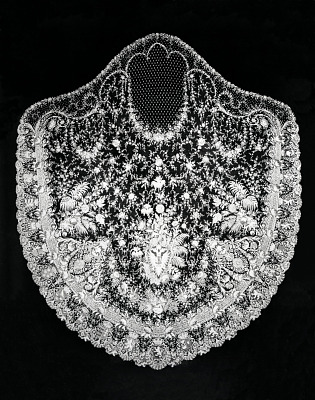
Crochet’s association with the Victorian era was bolstered by its versatility. Crocheted lace and trims were used to embellish clothing, furnishings, and even accessories like parasols and fans. They added a touch of femininity and grace to everything they adorned, making crochet a symbol of the delicate sensibilities of the time.
The Royal Connection
Queen Victoria’s Profound Influence on Crochet
Queen Victoria, the iconic monarch whose reign spanned the Victorian era, held a deep affection for crochet, and her personal affinity for the craft had a profound impact on its popularity and status during this era. Her embrace of crochet not only reflected her personal taste but also acted as a trendsetter for the society of her time. She was a fashion maverick.
- A Royal Trendsetter: Queen Victoria was known for her keen interest in the arts and fashion. Her status and visibility as the queen of the British Empire meant that her choices in clothing and accessories were closely scrutinized and emulated. Her preference for crocheted garments and accessories, therefore, carried immense influence.
- Crocheted Attire: Queen Victoria was often seen wearing crocheted pieces, including collars, cuffs, and shawls. One of her most famous crochet pieces was a delicate and intricate christening gown, made of white crochet lace, for her eldest daughter, Victoria, Princess Royal. The use of crochet in royal ceremonies and celebrations further cemented its reputation as a refined and exquisite craft.
- Support for Irish Crochet: Queen Victoria also played a role in popularizing Irish crochet lace. In an act of empathy and support during the devastating Irish potato famine, Queen Victoria promoted the sale of Irish crochet lace as a means for Irish women to generate income. The style’s intricate three-dimensional motifs and textured designs soon became an emblem of Victorian fashion.
- Patronage of the Arts: Queen Victoria’s appreciation for the craft was not just personal but extended to a larger patronage of the arts. Her support encouraged other members of the royal family, including her daughters and extended royal circles, to take up crochet as a pastime. This royal endorsement significantly elevated crochet’s status, reinforcing it as a symbol of elegance and artistry.
- Influence on Society: The queen’s love for crochet rippled through Victorian society. As she donned crocheted garments and accessories, the upper and middle classes followed suit, with women of various social backgrounds taking up the craft. Crochet became a fashionable pastime, and its popularity soared.
Queen Victoria’s Impact Beyond Her Reign
Queen Victoria’s profound impact on the popularity and elevation of crochet did not wane with her reign. Her legacy continued to influence fashion and design long after her passing in 1901. The aesthetics and intricacies of crochet, as exemplified by her choices, still resonate in contemporary design and craftsmanship, proving that her appreciation for crochet has truly stood the test of time.
Queen Victoria’s passion for crochet was not just a personal preference but a powerful catalyst that elevated the craft from a utilitarian necessity to an art form celebrated by the aristocracy and society at large. Her influence endures as a testament to the enduring allure and artistry of hand crochet lace and trims, reminding us of the enduring legacy of this elegant craft. Such a passion she had, so admirable to me.
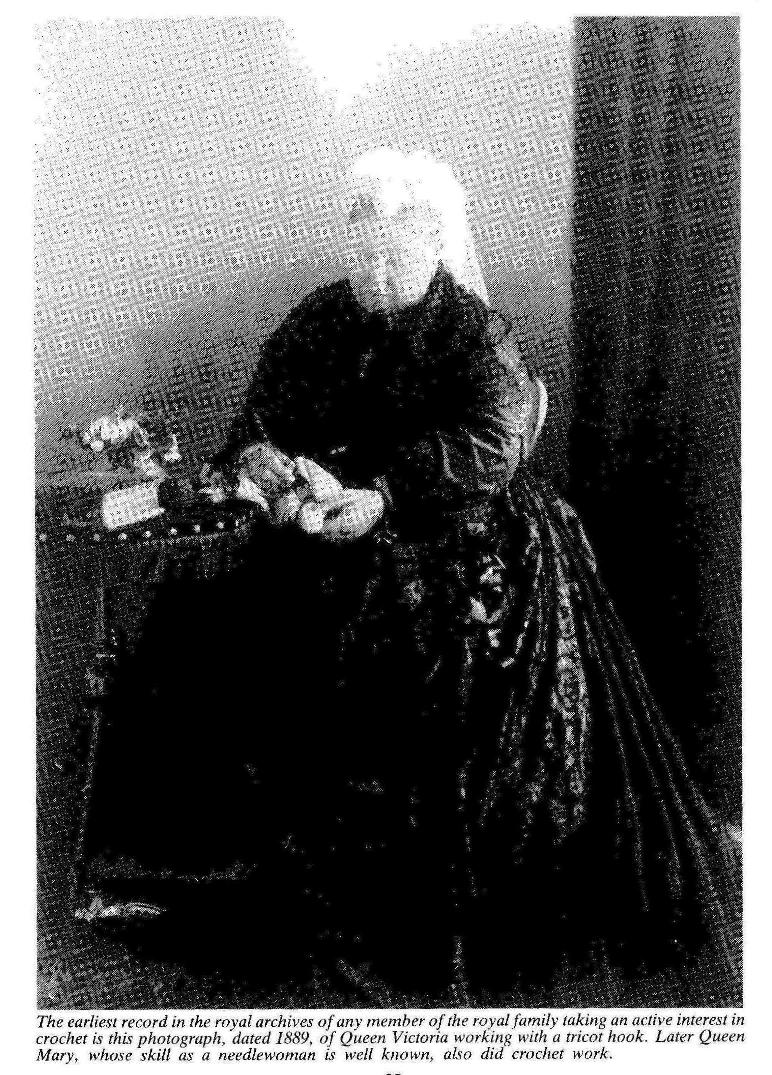
Queen Victoria in 1889, working with a tricot hook.
Queen Victoria’s daughters and other European royals were also avid crocheters, further cementing the craft’s regal connection. Crocheted lace and trims were frequently featured on the clothing and accessories of these royal figures, setting fashion trends for the upper classes across Europe and beyond. Queen Mary, whose skill as a needle woman is well known, also did crochet work.
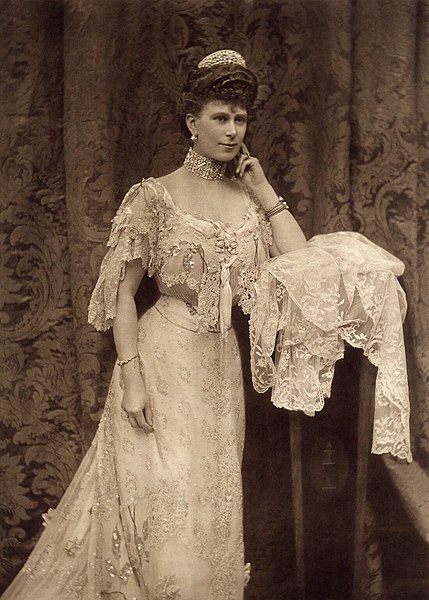
Queen Mary, by Alice Hughes, photogravure, 1905
The Finest Materials and Techniques in Victorian Crochet
Victorian crochet lace and trims are renowned not only for their exquisite designs but also for the impeccable materials and the intricate techniques employed in their creation. During the Victorian era, crocheters used a variety of luxurious materials and specialized techniques to craft pieces that were both visually stunning and long-lasting.
Materials of Elegance:
- Silk: Silk thread was a favored material for crocheters during the Victorian era. Its natural sheen and smooth texture lent a sense of opulence to crocheted pieces. Whether used for delicate collars, dainty handkerchiefs, or evening shawls, silk added an air of sophistication.
- Cotton: Cotton was another popular choice, particularly for everyday wear and functional items. It was appreciated for its durability and versatility. The natural fibers of cotton allowed for excellent stitch definition, making it ideal for intricate lacework.
- Linen Thread: Linen thread, spun from the flax plant, was employed in crochet for its strength and durability. It was often used for creating tablecloths, napkins, and other utilitarian items where resilience was essential.
Specialized Techniques:
- Filet Crochet: Filet crochet, characterized by a grid pattern of open and filled squares, allowed crocheters to create intricate designs and pictorial representations within the fabric. It was often used for table linens, curtains, and decorative inserts in garments. The technique required precision and an eye for detail.
- Irish Crochet: Irish crochet was perhaps one of the most celebrated techniques of the Victorian era. It featured three-dimensional motifs, such as flowers, leaves, and curlicues, which were then joined together to form lacy, textured designs. This technique was labor-intensive and required great skill, often involving several crocheters to create a single piece. The result was breathtakingly ornate and opulent, making it a favorite for collars, cuffs, and shawls.
- Tape Lace: Tape lace involved creating intricate designs by crocheting around a central cord or foundation. This technique was often used for creating elaborate edgings and trims for clothing, handkerchiefs, and other accessories. Tape lace added a touch of refinement and sophistication to garments and linens.
Patience and Skill:
The creation of Victorian crochet lace and trims demanded both patience and skill. Crocheters meticulously worked with tiny hooks, frequently using steel hooks for fine work, and were expected to follow intricate patterns with precision. The process was time-consuming, and it was not uncommon for a single piece to take weeks, or even months, to complete. Crocheters had to possess a deep understanding of the chosen technique and an appreciation for the artistry of the craft.
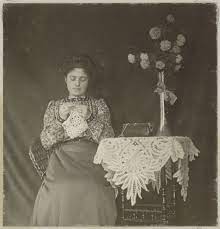
The enduring beauty and quality of these Victorian crochet pieces are a testament to the dedication and skill of the artisans of the era. The commitment to using the finest materials and mastering intricate techniques produced works of art that continue to captivate and inspire contemporary designers and crochet enthusiasts alike.
The Legacy of Victorian Crochet
The Enduring Influence of Victorian Crochet in Modern Fashion and Design
The Victorian era left an indelible mark on the world of crochet, and its legacy continues to influence fashion and design in the modern era. Although crocheted lace and trims may not be as prevalent in everyday clothing, they have found a special place in various niche markets, and their timeless charm and elegance have not faded with time.
1. Bridal Attire:
One of the most notable areas where Victorian crochet lace and trims have retained their allure is in bridal attire. Brides seeking a touch of vintage romance and a connection to the past often opt for wedding gowns, veils, and accessories adorned with crocheted details. Delicate crochet collars, cuffs, and intricate motifs continue to be featured in bridal designs, adding a sense of timeless elegance to a bride’s special day.
2. Vintage-Inspired Fashion:
The fascination with vintage fashion has led to a resurgence of interest in Victorian crochet techniques and designs. Fashion designers draw inspiration from the opulent styles of the Victorian era, incorporating crochet elements into their collections. Crocheted trims, overlay patterns, and delicate lace insets evoke a sense of nostalgia and sophistication, creating unique and distinctive pieces that pay homage to the past.
3. High-End Accessories:
Crocheted lace and trims have also found their place in high-end accessories. Luxury brands and artisans create exquisite handbags, shawls, and scarves featuring intricate crochet work. These accessories, often crafted with fine materials like silk and adorned with exquisite lacework, cater to those who appreciate the attention to detail and craftsmanship reminiscent of the Victorian era.
4. Handcrafted Artistry:
In an era where mass production prevails, there is a growing appreciation for handmade and artisanal products. Contemporary designers and craftspeople, inspired by the commitment to quality and meticulous craftsmanship of the Victorian era, continue to explore and innovate with crochet techniques. They create one-of-a-kind, hand-crocheted pieces that reflect the dedication and passion of the past.
5. Crochet Revivals:
The enduring influence of Victorian crochet extends beyond fashion. It has inspired the resurgence of interest in various crochet techniques and the sharing of knowledge through crochet communities and workshops. Enthusiasts are discovering and reviving traditional Victorian crochet patterns, adapting them to modern tastes, and creating new designs that pay homage to this rich history.
6. The Power of Tradition:
The legacy of Victorian crochet speaks to the power of tradition and timeless design. The attention to detail, commitment to quality, and artistic expression exemplified during this era continue to resonate with contemporary designers and artisans. In a world that often moves at a rapid pace, these enduring qualities remind us of the value of slow and thoughtful craftsmanship, where each stitch tells a story of dedication and love for the craft.
The influence of Victorian crochet in modern fashion and design is a testament to the enduring appeal of this art form. While not as ubiquitous as it once was, crocheted lace and trims remain cherished elements in various niche markets, symbolizing a connection to a bygone era of elegance and artistry. The legacy of Victorian crochet continues to inspire, ensuring that the delicate threads of its history are woven into the fabric of our contemporary world.
Lace has a long and rich history of traditional uses in various ceremonies and celebrations. Its delicate and intricate patterns symbolize elegance, purity, and the passage of time. Here are some traditional uses of lace in ceremonies:
- Weddings: Lace is perhaps most commonly associated with weddings. It is used in bridal gowns, veils, and accessories, adding a touch of romance and sophistication to the bride’s attire. Lace is also often used as table runners, chair sashes, and other decorations at wedding receptions. The delicate beauty of lace represents the purity and intricate nature of marriage.
- Christenings and Baptisms: Lace has a long history of use in christening gowns and baptismal attire. Babies are often dressed in white lace garments during these religious ceremonies, symbolizing purity and new beginnings. These heirloom gowns are passed down through generations as treasured family keepsakes.
- Religious Ceremonies: Lace is used in various religious ceremonies and garments. In Christianity, it can be found in the clothing of priests and altar cloths. Lace is used to create a sense of reverence and beauty in places of worship. It is also used in religious processions and celebrations, adding a touch of splendor to the occasion.
- Funerals: While lace is often associated with joyous occasions, it is also used in somber ceremonies such as funerals. It can be found in the clothing and veils of mourners, signifying respect and remembrance for the deceased. Black lace is commonly used in mourning attire to express grief and solemnity.
- Anniversaries: Lace is sometimes used in the celebration of milestone anniversaries, particularly the 13th wedding anniversary. The “lace anniversary” is a time for couples to exchange lace-themed gifts or incorporate lace elements into their celebrations to symbolize enduring love.
- Cultural Celebrations: In various cultures around the world, lace is used in traditional clothing and ceremonial attire. For example, Spanish mantillas and Philippine Barongs often feature lace detailing for cultural celebrations and events. These garments symbolize cultural heritage and are worn with pride during special occasions.
- Tea Parties and High Teas: Lace doilies, tablecloths, and napkins are often used in tea parties and high teas, evoking a sense of refinement and elegance. The delicate lace adds a touch of sophistication to the setting, making it a cherished tradition, especially in British and European cultures.
- Graduations: In some academic traditions, lace-trimmed academic hoods and stoles are worn by graduates to symbolize their academic achievements and signify their transition to a new stage in life.
- Handfasting Ceremonies: In Celtic and pagan wedding traditions, handfasting ceremonies involve the binding of the couple’s hands with a cord, often adorned with lace or other meaningful symbols. The lace represents the joining of two lives and the interconnectedness of the couple.
- Royal Ceremonies: Lace has been a symbol of luxury and royalty for centuries. It is often used in royal ceremonies, such as coronations and state banquets. Royal attire, including robes and gowns, may feature intricate lacework to signify the opulence and majesty of the occasion.
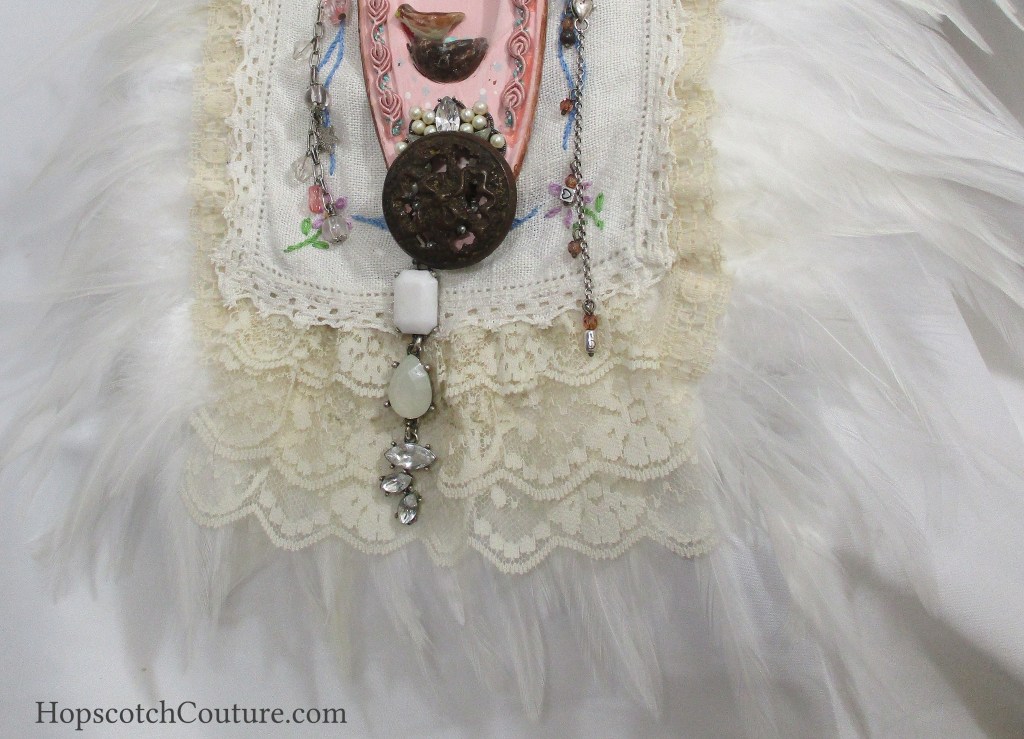
In each of these traditional uses, lace plays a significant role in adding beauty, meaning, and symbolism to the ceremonies and celebrations it graces. Whether as a symbol of purity in weddings, a mark of respect in funerals, or a representation of cultural heritage, lace has a timeless and enduring presence in ceremonial traditions. I am always on the look out for Victorian pieces of handmade lace, even tattered and worn, to transform into a keepsake piece of art with a breath of historical significance.
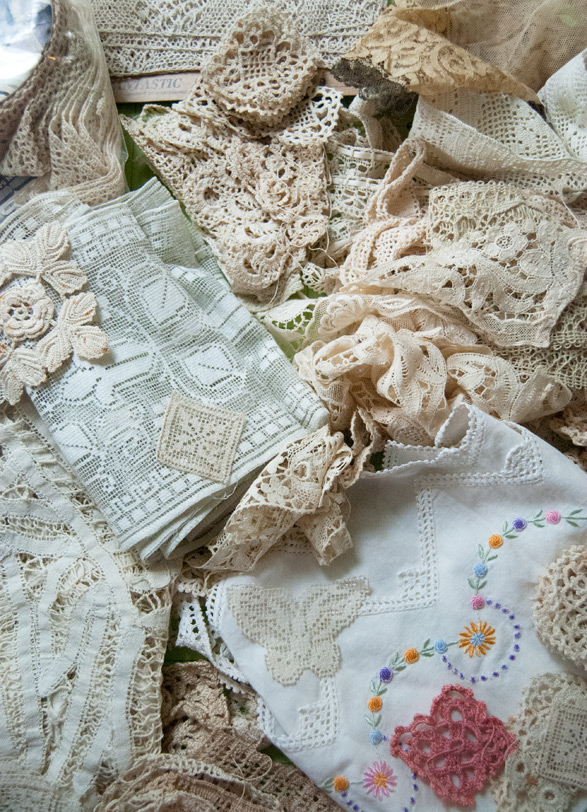
Fabulous Vintage Scraps & Trims
Hand crochet lace and trims have a rich history that reached its zenith during the Victorian era. Their association with royalty and the upper classes helped elevate crochet to an art form that symbolized elegance and sophistication. The intricate craftsmanship and dedication to quality of this era continue to inspire and influence the world of fashion and design, making hand crochet lace and trims a timeless and cherished aspect of our sartorial heritage.
 La Marelle Couture
Leave a comment