Introduction:
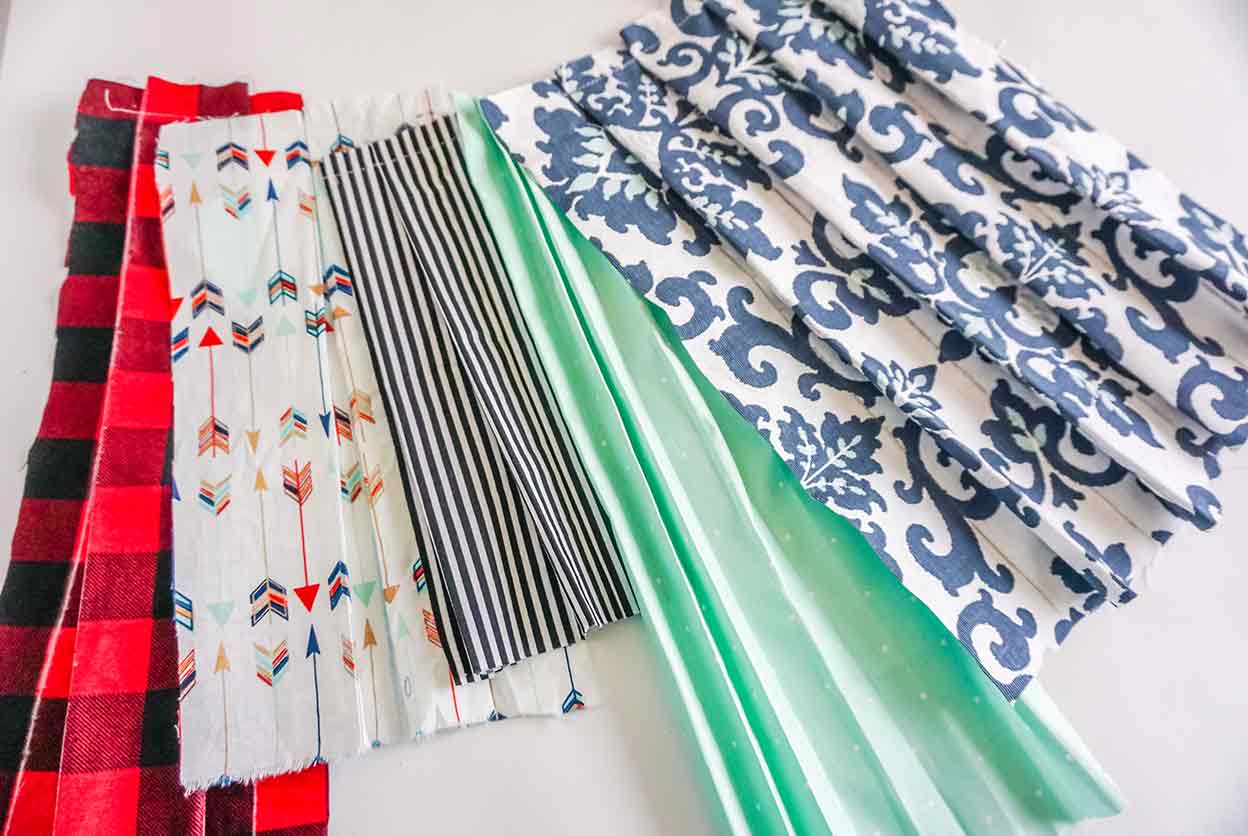
Fashion is a dynamic tapestry that weaves together trends, innovations, and timeless styles. One such timeless element that has endured through the centuries is the pleat. How I love a good pleat. From its humble beginnings to its current status as a fashion statement, pleats have not only stood the test of time but have also evolved into a versatile and artistically chic style element. In this blog post, we’ll take a journey through the fascinating history of pleats in fashion, exploring how this classic technique has transformed and found its place in the contemporary wardrobe for both men and women.
The Ancient Origins:
Pleats trace their origins back to ancient civilizations, with evidence of their use found in garments from Mesopotamia, Egypt, and Greece. These early pleats were not merely decorative but served a practical purpose, allowing for ease of movement while maintaining a structured silhouette. The ancient Greeks, in particular, used pleating techniques in their chitons, creating garments that were both functional and aesthetically pleasing.
The Renaissance Revival:
After a period of relative obscurity during the Middle Ages, pleats experienced a resurgence during the Renaissance. The elaborate and ornate clothing of this era often featured intricate pleating, emphasizing the wealth and status of the wearer. Pleats were no longer solely functional; they became a symbol of opulence and refinement.
The Victorian Era:
The 19th century saw a more restrained approach to fashion, with pleats taking on a subtler role. Crisp and neat pleats adorned women’s skirts and bodices, adding a touch of sophistication to the prevailing modest styles. During this period, pleats also began to find their way into men’s fashion, gracing dress shirts and formal trousers.
The Golden Age of Hollywood:
The allure of pleats reached new heights during the Golden Age of Hollywood. Stars like Audrey Hepburn and Marilyn Monroe popularized pleated skirts and dresses, contributing to the widespread adoption of this trend. The fluidity and movement that pleats provided became synonymous with glamour, creating an enduring association between pleats and timeless elegance.
The 1980s Excess:
The 1980s marked a departure from the understated elegance of the previous decades. Fashion became more daring, and pleats were no exception. Bold, oversized pleats adorned skirts, pants, and even jackets. This era saw experimentation with fabrics and patterns, pushing the boundaries of traditional pleating techniques.
A Minimalist Comeback:
As fashion trends tend to cycle, the late 20th century saw a return to minimalism. Designers embraced clean lines and simplicity, and pleats once again took on a more subdued role. Japanese designers like Issey Miyake and Yohji Yamamoto played a crucial role in redefining pleats, experimenting with innovative techniques and materials.
Pleats Today:
In the 21st century, pleats have firmly established themselves as a timeless and versatile element in fashion. Designers continue to explore new ways to incorporate pleats into their collections, experimenting with asymmetry, accordion pleats, and three-dimensional structures. Pleats are no longer confined to skirts and dresses; they can be found on tops, trousers, and even outerwear.
Incorporating Pleats into the Everyday Wardrobe:
For Women:
- Pleated Skirts: A classic choice that never goes out of style, a pleated skirt adds a touch of femininity to any outfit. Pair it with a fitted blouse for a polished look or a casual tee for a more relaxed vibe.
- Pleated Dresses: Opt for a pleated dress for an effortlessly chic ensemble. Whether it’s a summer sundress or a winter maxi dress, the fluidity of pleats adds movement and grace to your silhouette.
- Pleated Tops: Elevate your everyday look with a pleated top. Whether it’s a blouse for the office or a casual tee for the weekend, pleats can bring a dynamic element to your outfit.
- Pleated Trousers: Ditch the ordinary and embrace pleated trousers for a contemporary twist on classic pants. Pair them with a tucked-in shirt or a sleek sweater for a sophisticated ensemble.
For Men:
- Pleated Dress Shirts: Add a touch of refinement to your formalwear with a pleated dress shirt. Whether it’s subtle pleating on the placket or a more pronounced design, it’s an excellent way to stand out without being too flashy.
- Pleated Trousers: Embrace the versatility of pleated trousers for both formal and casual occasions. Pair them with a crisp button-down for the office or a relaxed polo for a weekend outing.
- Pleated Jackets: Experiment with pleated detailing on jackets for a modern and fashion-forward look. This can be a subtle addition to a blazer or a more pronounced feature on a bomber jacket, depending on your style.
- Pleated Accessories: Don’t shy away from incorporating pleats into your accessories. A pleated scarf or tie can add a touch of texture and visual interest to your outfit without overwhelming the overall look.
Conclusion:
From ancient civilizations to modern runways, the journey of pleats in fashion has been nothing short of fascinating. This classic technique has proven its enduring appeal, adapting to the changing tides of fashion while maintaining its timeless elegance. Whether you’re a fashion enthusiast or someone looking to revamp your wardrobe, embracing pleats is a surefire way to infuse sophistication and flair into your everyday style. So, who doesn’t love a good pleat? It’s a sentiment that has resonated through the ages and continues to captivate fashion enthusiasts around the globe.
 La Marelle Couture
Leave a comment