Introduction:
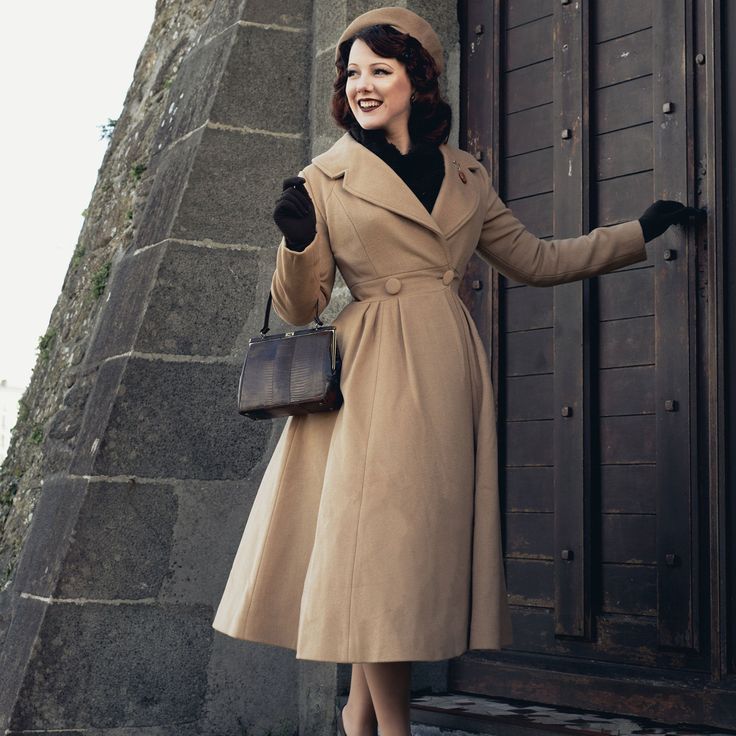
In the world of fashion, few garments stand the test of time like the classic wool coat. Renowned for its timeless elegance, warmth, and versatility, the wool coat has a rich history that spans centuries. This article will delve into the fascinating journey of wool coats, exploring their historical roots, the diverse styles available, and essential care tips to ensure these garments remain a staple in your wardrobe.
Historical Evolution:
The history of wool coats can be traced back to ancient times, with evidence suggesting that early civilizations used animal skins and furs to protect themselves from the harsh elements. However, it was the evolution of wool as a textile that truly revolutionized outerwear.
Wool, obtained from the fleece of sheep, has been cherished for its natural insulation properties. The earliest wool coats were likely rudimentary, made from simple cuts of fabric stitched together. As societies advanced, so did the craftsmanship of these coats. In medieval Europe, for instance, wool garments were tailored with precision, incorporating elements of style and functionality.
During the 19th century, the Industrial Revolution played a pivotal role in transforming the production of wool coats. Mass manufacturing techniques allowed for more accessible and affordable wool garments, making them a symbol of status and refinement. The enduring popularity of wool coats persisted into the 20th century, solidifying their place as a must-have in any wardrobe.
Styles Through the Ages:
Wool coats come in a variety of styles, each reflecting the fashion sensibilities of its era. Understanding the diverse options available can help you choose the perfect wool coat to complement your personal style.
- Peacoat: The peacoat, with its double-breasted front and broad lapels, has military origins. Initially worn by European sailors, it later became a civilian favorite. The timeless design of the peacoat makes it a versatile choice for both formal and casual occasions.
- Trench Coat: The trench coat emerged as a practical solution for soldiers in World War I, designed to provide protection against the elements. Its distinctive features include a belted waist, double-breasted front, and epaulettes. The trench coat has since transcended its military roots to become a fashion icon synonymous with sophistication.
- Duffle Coat: Originating in Belgium, the duffle coat gained popularity in the British military. Known for its toggle fastenings and hood, this coat offers a casual yet distinctive look. Its durable design makes it a go-to option for those seeking a blend of style and functionality.
- Cocoon Coat: The cocoon coat boasts a voluminous silhouette that narrows at the hem, creating a cocoon-like shape. This modern and chic design offers a contemporary take on the classic wool coat, providing both comfort and style.
- Chesterfield Coat: Named after the Earl of Chesterfield, this coat features a single-breasted design with a velvet collar. Its tailored and refined appearance makes it a go-to choice for formal occasions, adding a touch of sophistication to any ensemble.
Care Tips for Wool Coats:
Preserving the longevity and beauty of your wool coat requires proper care and attention. Here are essential tips to ensure your investment stands the test of time:
- Cleaning: Dry cleaning is often recommended for wool coats to prevent shrinkage and maintain their shape. Spot cleaning with a damp cloth can address minor stains. Always follow the care instructions provided by the manufacturer.
- Storage: Store your wool coat in a cool, dry place. Avoid hanging it in direct sunlight for extended periods, as this can cause fading. To retain its shape, use padded hangers instead of wire hangers.
- Brushing: Regularly brush your wool coat with a garment brush to remove lint, dust, and any surface debris. This not only keeps the fabric looking fresh but also helps maintain its natural luster.
- Avoiding Moisture: Wool is susceptible to moisture, which can lead to mold and mildew. Avoid wearing your wool coat in heavy rain, and if it gets wet, hang it in a well-ventilated area to air-dry. Never store a damp wool coat, as this can promote mold growth.
- Pilling Prevention: To prevent pilling, which is the formation of small balls of fibers on the surface of the fabric, avoid excessive friction. Keep accessories like purses and scarves in good condition to prevent them from rubbing against your coat.
- Repairs: Attend to any loose buttons or seams promptly to prevent further damage. Regularly inspect your wool coat for signs of wear and tear, and address issues before they escalate.
Conclusion:
In the realm of fashion, wool coats stand as a testament to the marriage of style and functionality. From their humble beginnings to the diverse styles available today, these coats have withstood the test of time, embodying both tradition and innovation. By understanding the rich history, exploring the various styles, and adopting proper care practices, you can ensure that your wool coat remains a cherished and enduring piece in your wardrobe, providing warmth and elegance for years to come.
 La Marelle Couture
Leave a comment