In the realm of fashion, few elements possess the timeless allure and regal resonance of cuffs. These small but significant features, often adorning sleeves, have traversed centuries, symbolizing power, prestige, and personal style. From their origins in ancient civilizations to their contemporary resurgence in haute couture, cuffs have remained a steadfast emblem of sartorial sophistication and refinement.
A Journey Through Time: Origins and Evolution
The history of cuffs can be traced back to ancient civilizations, where they served practical purposes before evolving into symbols of status and distinction. In ancient Egypt, for instance, both men and women adorned their wrists with intricately crafted bands made from precious metals and adorned with gemstones. These cuffs were not merely ornamental; they also held symbolic significance, denoting wealth and social standing.
Similarly, in ancient Greece and Rome, cuffs adorned the attire of nobles and warriors, signifying rank and valor. Whether embellished with intricate engravings or fashioned from luxurious fabrics, these cuffs were indicative of one’s place within society’s hierarchy.
Throughout the Middle Ages and Renaissance period, cuffs continued to evolve, becoming more elaborate and decorative. Royalty and nobility often commissioned garments adorned with intricate embroidery, lace, and beading, with cuffs serving as focal points of opulence and extravagance.
The Renaissance of Royalty: Cuffs in Regal Fashion
One of the most notable periods in the history of cuffs is the Renaissance era, where fashion reached new heights of grandeur and refinement. Royal courts across Europe showcased lavish attire adorned with voluminous sleeves and ornate cuffs, creating a visual spectacle that captivated onlookers and cemented the status of the wearer.
Queen Elizabeth I of England, renowned for her sumptuous wardrobe, frequently wore gowns with elaborately embellished cuffs, setting trends that reverberated throughout the aristocratic circles of Europe. Similarly, the French court under the reign of Louis XIV became synonymous with luxury and excess, with cuffs serving as emblematic symbols of aristocratic opulence.
Revolutionary Style: Cuffs in the Modern Era
The Industrial Revolution brought about significant changes in fashion, as mass production made clothing more accessible to the masses. However, cuffs remained a hallmark of refined dress, albeit with some modifications to suit the evolving tastes of the times. During the Victorian era, for example, cuffs adorned with lace and intricate needlework became fashionable among the upper classes, reflecting the prevailing aesthetic of romanticism and nostalgia for bygone eras.
In the 20th century, cuffs underwent various transformations, reflecting the shifting trends and cultural movements of the time. From the streamlined elegance of the Art Deco period to the rebellious spirit of the 1960s counterculture, cuffs remained a versatile and adaptable element of fashion, capable of conveying a wide range of messages and moods.
Cuffs Today: A Contemporary Renaissance
In the modern era, cuffs continue to exert their influence on fashion, albeit with a contemporary twist. Designers and fashion houses around the world have reimagined cuffs in innovative ways, incorporating them into diverse styles and aesthetics. From the understated sophistication of minimalist cuffs to the bold statement-making designs favored by avant-garde designers, cuffs offer endless possibilities for self-expression and creativity.
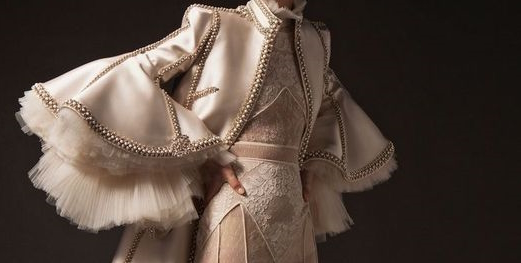
One of the most notable trends in contemporary fashion is the resurgence of oversized cuffs, particularly in outerwear such as jackets and coats. A dramatic cuff can elevate even the simplest of garments, adding a touch of drama and flair to any ensemble. Whether rendered in rich velvet, luxurious fur, or sleek leather, oversized cuffs make a bold statement and serve as a focal point of attention.
Incorporating Cuffs into Your Wardrobe
For those looking to incorporate cuffs into their wardrobe, the options are endless. Whether you prefer classic elegance or avant-garde flair, there are myriad ways to integrate cuffs into your personal style.
- Statement Jackets: Opt for outerwear with oversized cuffs to add a touch of drama to your look. Pair a structured blazer with voluminous cuffs with tailored trousers for a chic and sophisticated ensemble.
- Embellished Sleeves: Look for tops and dresses with intricate cuff detailing, such as beading, embroidery, or lace. These embellishments add visual interest and elevate even the simplest of garments.
- Layered Bracelets: Experiment with layering bracelets and cuffs on your wrists for a bohemian-inspired look. Mix and match different metals, textures, and styles to create a unique and personalized aesthetic.
- DIY Customization: Get creative and personalize your cuffs with DIY embellishments such as patches, pins, or embroidery. Transform a plain denim jacket or shirt into a one-of-a-kind statement piece that reflects your individual style.
Conclusion
From their ancient origins as symbols of power and prestige to their contemporary resurgence as statement-making accessories, cuffs have endured as a timeless emblem of sartorial sophistication. Whether adorning the wrists of royalty or gracing the sleeves of fashion-forward individuals, cuffs continue to captivate and inspire, transcending time and trends with their enduring elegance and allure. Incorporate cuffs into your wardrobe to add a touch of regal refinement and personal flair to your everyday style.
 La Marelle Couture
Leave a comment